
A bird bath fountain adds a touch of nature’s charm to your backyard while providing a refreshing haven for our feathered friends. However, keeping the water levels consistent can sometimes be a challenge.
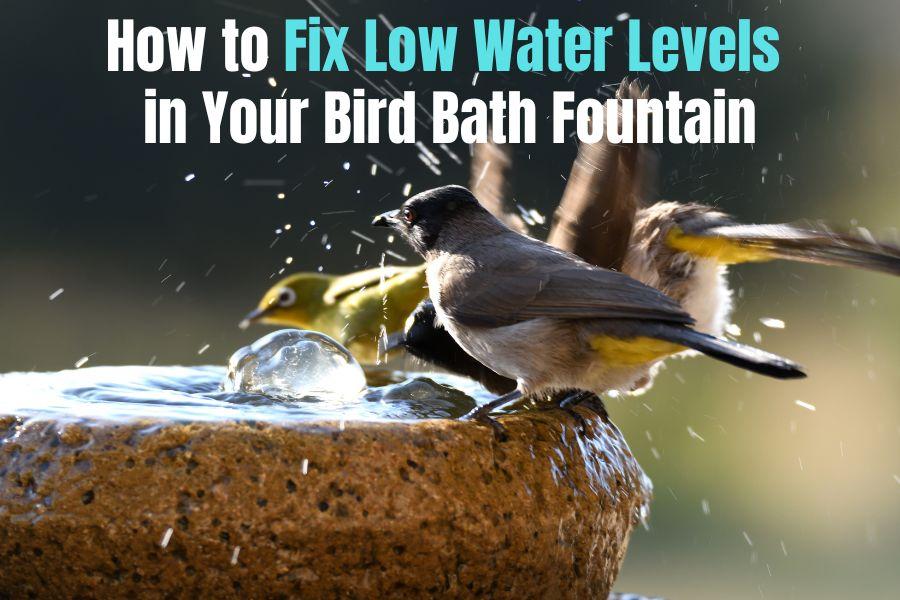
Below, we show you how to fix low water levels (ie. evaporation and excessive spraying) with innovative, effective solutions to keep your bird bath bubbling.
Common Problems and Solutions:
1. Water Evaporation
The sun’s warmth can cause water to evaporate, leading to low water levels in your bird bath fountain. To address this, consider the following solutions:
Regular Refilling: Make it a routine to check and refill the bird bath with fresh water every couple of days, especially during hot weather.
Shady Location: Position the bird bath in a spot that receives some shade during the hottest parts of the day. This can help slow down evaporation.
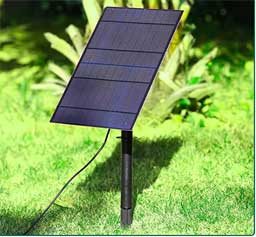
However, instead of a floating solar fountain, you may want to use a solar panel that sits outside the fountain so that the sun power is not interrupted.
2. Fountain Spraying Out of Basin
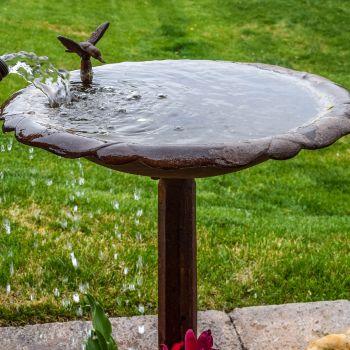
Excessive splashing or spraying can cause water levels to drop faster. Here’s what you can do:
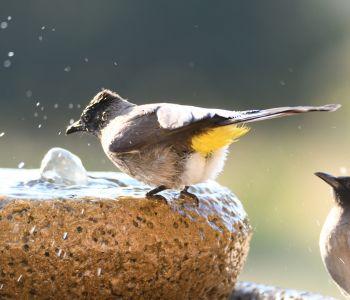
Adjust Fountain Flow: Lower the flow rate of your fountain pump if possible.
Alternatively, you can remove the spray nozzle and turn the fountain into a bubbler. This will reduce the splashing and ensure water stays within the basin.
Use Pebbles or Rocks: Place decorative pebbles or rocks in the basin to act as a buffer and minimize splashing.
Maintaining Higher Water Levels:
1. Drip Watering System
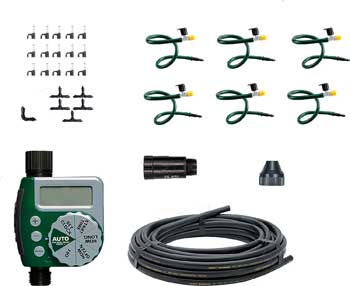
A drip watering system is an efficient and eco-friendly solution to maintain consistent water levels in your bird bath fountain. Here’s how to set it up:
Materials Needed: You’ll need a small submersible pump, tubing, and a drip emitter kit.
Assembly: Attach the tubing to the pump and place the pump in the basin. Run the tubing up the fountain structure and attach the drip emitter at the top. Make sure that the emitter is positioned to allow water to gently drip back into the basin.
Adjustment: Experiment with the drip rate to achieve the desired water level. Monitor and refill the basin as needed.
2. Water Level Indicator
Install a water level indicator to receive real-time alerts when the water levels are low. This can be especially useful when you’re not able to check the bird bath regularly.
Answers to Frequently Asked Questions:
Q: Can I add chemicals to the water to reduce evaporation?
A: It’s best to avoid adding chemicals to the water, as they may be harmful to the birds. Instead, opt for solutions like adding shade or using a drip watering system to maintain water levels.
Q: Will a drip watering system scare away the birds?
A: Birds are generally adaptable and will get used to the gentle dripping sound. If you notice any initial hesitation, give them time to adjust, and you’ll likely find them enjoying the consistent water source.
Q: Can I use a larger fountain pump to prevent splashing?
A: While a larger pump might increase water flow, it could lead to more splashing. It’s better to adjust the flow rate of your existing pump or use pebbles/rocks to reduce splashing.
Q: Is it necessary to use a water level indicator?
A: A water level indicator is optional but can be a convenient tool, especially if you have a busy schedule. It ensures you’re alerted when water levels are low, helping you maintain a consistent water source for the birds.
Q: How often should I clean the bird bath fountain?
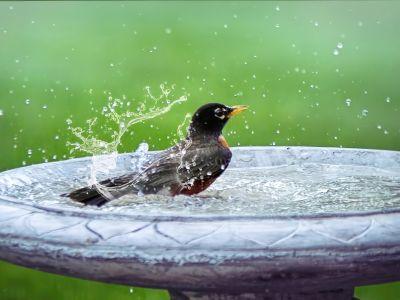
A: Regular cleaning is important to prevent algae and dirt buildup. Aim to clean the bird bath at least once a week or more frequently if needed.
Conclusion:
By addressing common issues like water evaporation and splashing, and implementing solutions such as a drip watering system or water level indicator, you can ensure a continuous and inviting oasis for your feathered friends. With these tips in mind, you’ll be well on your way to enjoying the delightful company of birds in your garden year-round.