
Adding moving water to a bird bath or small fountain is one of the best upgrades you can make in a backyard habitat. Moving water attracts birds, keeps water fresher, and helps discourage mosquitoes and algae buildup.
But when it comes to choosing a pump, many people face the same question:
Should you use a solar fountain or a traditional submersible pump?
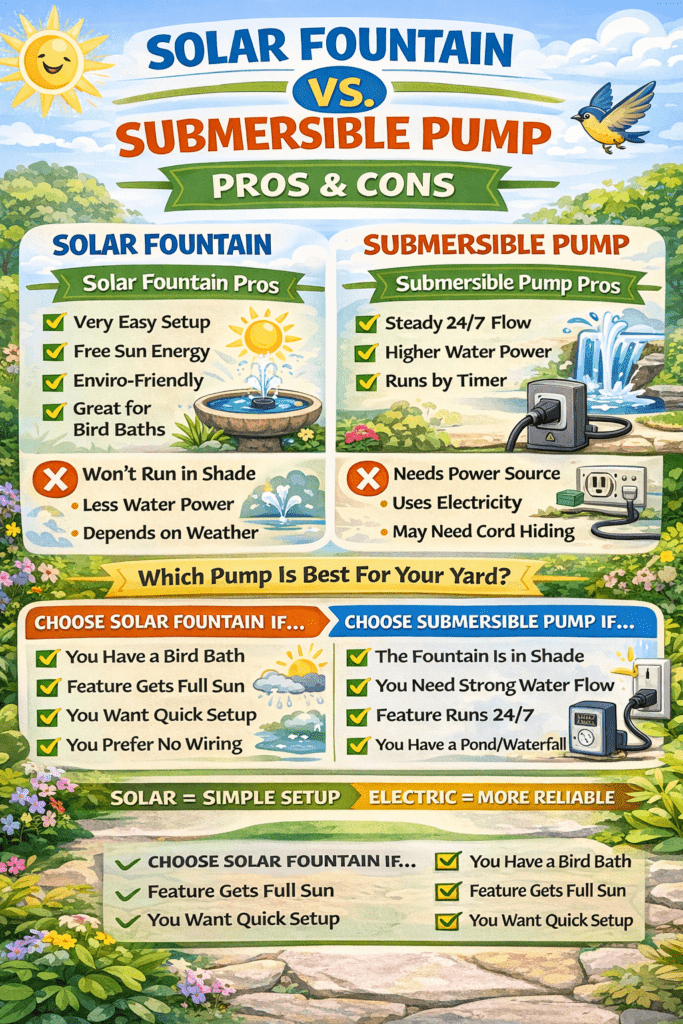
Both options work well, but they’re designed for different situations. After working with dozens of backyard water features—from simple bird baths to small garden ponds—I’ve found that the “best” pump depends on your goals, location, and how much reliability you want.
Below is a practical breakdown of the pros and cons of each option so you can choose the right one for your yard.
How Solar Fountain Pumps Work
A solar fountain uses a small solar panel to generate electricity, which powers the pump that circulates water in the fountain.
Most solar pumps are:
- floating units with a built-in solar panel
- or pumps connected to a small external solar panel
The sunlight generates electricity that runs the pump directly. Some newer models also include battery backups, allowing them to run when clouds pass or after sunset.
How Submersible Pumps Work
A submersible pump sits underwater and plugs into a standard electrical outlet.
These pumps are extremely common in:
- bird baths
- tabletop fountains
- pond waterfalls
- decorative garden features
Because they run on electricity from your home, they can operate continuously regardless of sunlight or weather conditions.
Solar Fountain vs Submersible Pump
Here’s the quick comparison most homeowners want to know.
| Feature | Solar Fountain | Submersible Pump |
|---|---|---|
| Installation | Very easy | Moderate |
| Power source | Sunlight | Household electricity |
| Running cost | Free energy | Small electricity cost |
| Reliability | Depends on sunlight | Runs 24/7 |
| Power output | Usually lower | Usually stronger |
| Best for | Bird baths and small fountains | Larger fountains and ponds |
Electric pumps are typically more powerful and provide a steady water flow, while solar pumps are environmentally friendly and easy to install in sunny areas.
Pros of Solar Fountain Pumps
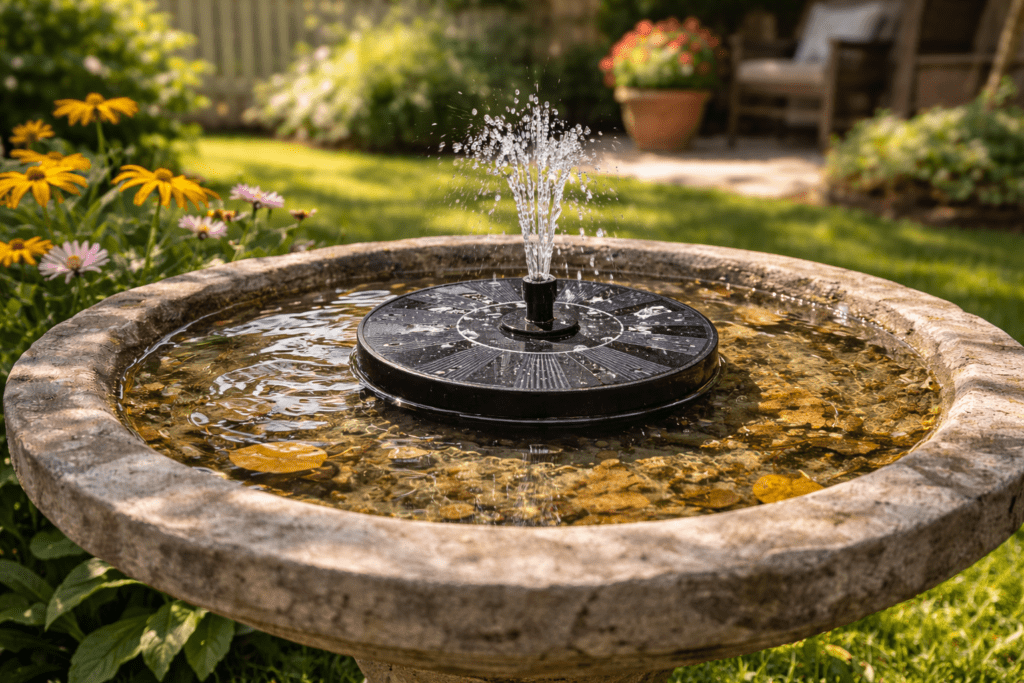
1. Extremely Easy Installation
Solar fountains are about as simple as it gets.
Most models require only two steps:
- Place the fountain in water
- Set the solar panel in the sun
There’s no wiring, outlet, or electrical work needed, which makes them perfect for patios or remote garden areas.
2. No Electricity Cost
Once installed, solar pumps run on free sunlight.
That means:
- no power bill
- no timers needed
- no wiring
Over time, solar pumps can save energy costs compared with electric pumps that run continuously.
3. Flexible Placement
You can place a solar fountain almost anywhere in the yard.
As long as the solar panel gets sunlight, the fountain can run—even if it’s far from an outlet.
4. Eco-Friendly
Solar pumps produce zero emissions and use renewable energy, making them an environmentally friendly choice for garden water features.
Cons of Solar Fountain Pumps
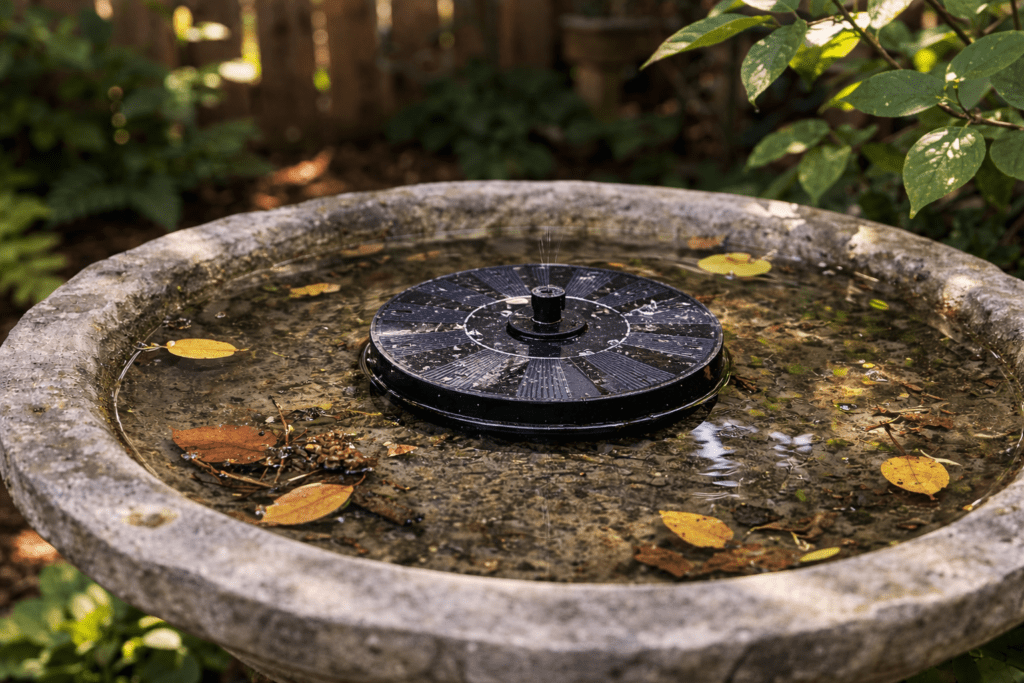
1. Inconsistent Operation
The biggest downside is simple:
No sun = no fountain.
Solar fountains often slow down or stop when:
- clouds pass
- the sun sets
- the fountain sits in shade
Winter sunlight can also reduce performance.
2. Lower Water Power
Solar pumps generally produce less water pressure than electric pumps.
They’re perfect for:
- gentle bubbling fountains
- bird bath bubblers
But they may struggle with:
- tall waterfalls
- strong sprays
3. Solar Panel Visibility
Some homeowners don’t love the look of solar panels sitting near a fountain.
While small, they can sometimes feel like a visual distraction in a carefully designed garden.
Pros of Submersible Pumps
1. Reliable 24/7 Operation
Submersible pumps provide consistent water circulation day and night, regardless of weather.
That reliability makes them ideal for:
- ponds
- waterfalls
- filtration systems
2. Stronger Water Flow
Electric pumps generally produce higher gallons-per-hour output, making them better for larger features.
This means they can power:
- multi-tier fountains
- tall sprays
- rock waterfalls
3. Timer Control
Many electric pumps can be connected to:
- outdoor timers
- smart plugs
This allows you to schedule when the fountain runs.
Cons of Submersible Pumps
1. Requires Power Access
You need an outdoor electrical outlet nearby.
If your fountain is far from the house, installation can require:
- extension cords
- underground conduit
- professional electrical work
2. Ongoing Energy Cost
Electric pumps use small amounts of power continuously. While the cost is usually modest, it’s still an ongoing expense compared to solar pumps.
3. Cord Management
Cords must be hidden or routed carefully so they don’t become tripping hazards or disrupt the look of the garden.
When to Choose a Solar Fountain
A solar fountain is usually the best option if:
✔ you have a bird bath
✔ the area gets direct sunlight
✔ you want a quick installation
✔ you don’t want electrical wiring
If you’re installing one, see: How to Install a Solar Fountain Pump in 10 Minutes.
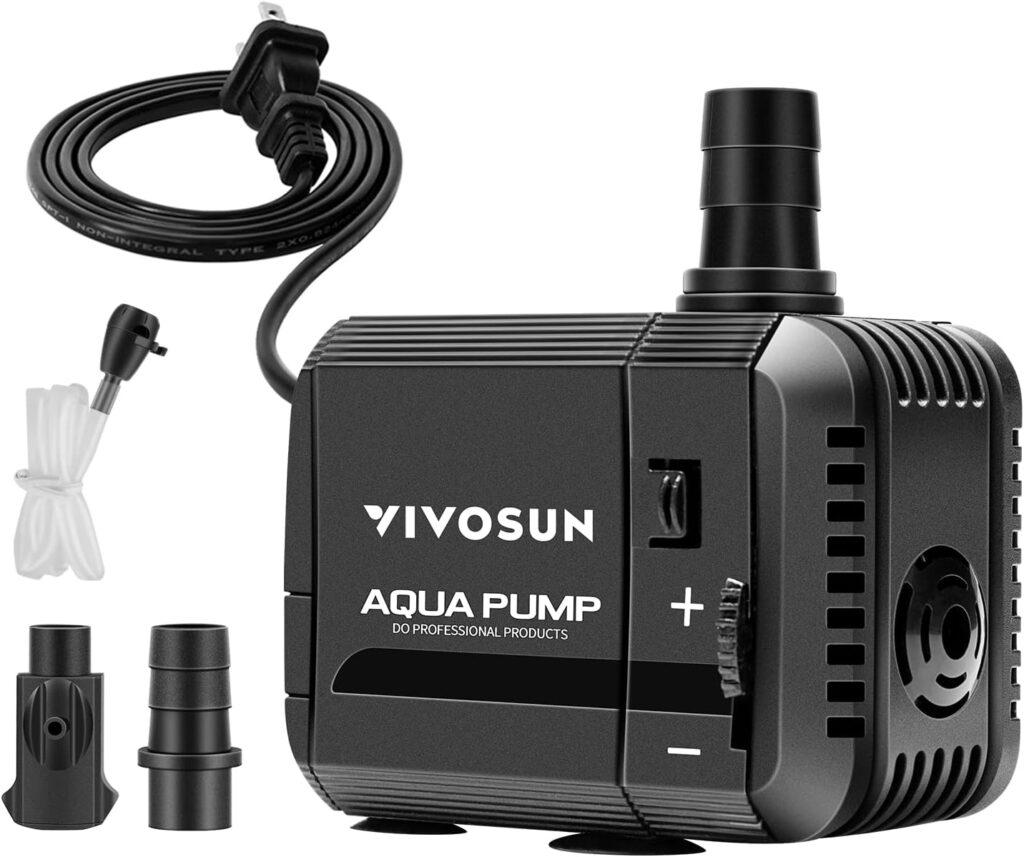
When to Choose a Submersible Pump
A traditional submersible pump is usually better when:
✔ your fountain runs in shade
✔ you want strong water flow
✔ the feature runs 24/7
✔ you have a pond or waterfall
For pump sizing tips, see: Best Mini Pumps for Small Backyard Ponds.
Realistic Expectations
Both pump types work well when used in the right situation. Solar fountains are great for simple bird baths, while electric pumps shine in larger water features.
Some people even combine both systems by using solar pumps with battery backup, which offer the convenience of solar with improved reliability.

Printable Pump Selection Checklist
Time to complete: 5 minutes
Use this quick checklist when deciding which pump to buy.
- Does the fountain get full sunlight most of the day?
- Is there an electrical outlet nearby?
- Do you want the fountain to run 24 hours a day?
- Is the water feature small (bird bath) or large (pond)?
- Do you prefer easy installation or maximum performance?
Your answers usually make the decision obvious.
Frequently Asked Questions
Are solar fountains powerful enough for ponds?
Usually not. Most solar pumps are designed for small fountains or bird baths, not large ponds.
Do solar fountains work on cloudy days?
Some do, but performance drops significantly without direct sunlight. Models with battery backup perform much better.
Do electric fountain pumps use much electricity?
Most small pumps use about 5–50 watts, which typically costs only a few dollars per month.
Which pump lasts longer?
Electric pumps often last longer because they operate under stable power conditions, while solar pumps experience more variation in output.
Do solar fountains help prevent mosquitoes?
Yes. Moving water makes it harder for mosquitoes to breed in standing water. Learn more here:
Does Running Water Keep Mosquitoes Away?
Resources
- Cornell Lab of Ornithology – Bird bath placement and maintenance
- National Audubon Society – Backyard bird habitat tips
- CDC Mosquito Control Guide
Conclusion
Choosing between a solar fountain and a submersible pump really comes down to simplicity vs reliability.
Solar fountains are fantastic for small bird baths and sunny patios. They’re quick to install, environmentally friendly, and cost nothing to run.
Submersible pumps, on the other hand, offer dependable power and stronger water flow, making them the better choice for larger or more complex water features.
If your goal is simply to add a little movement and attract birds to a backyard bird bath, a solar fountain will likely do the job beautifully. But if you want consistent water flow day and night, a traditional pump is still hard to beat.