
Outdoor fountains add movement, sound, and a little life to a yard. But the one thing that can instantly ruin that peaceful look is a visible extension cord running across the patio or through the grass.
After installing and troubleshooting dozens of backyard fountains and birdbath bubblers, one thing becomes obvious quickly: cord management makes the difference between a professional-looking water feature and one that looks temporary.
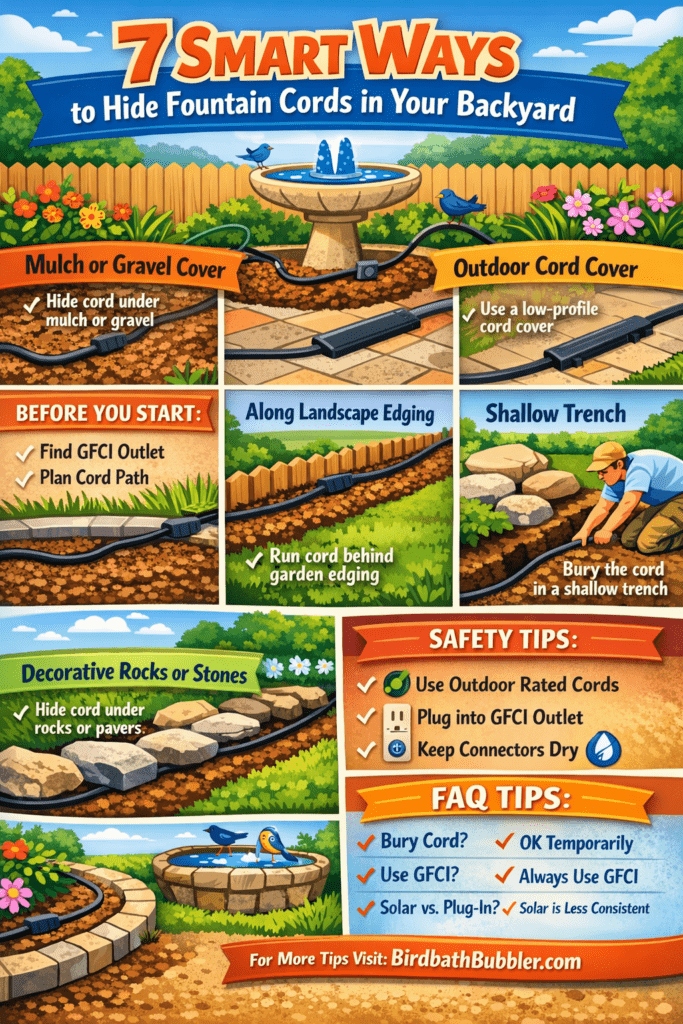
The good news is that hiding fountain cords is usually simple, inexpensive, and can often be done in under an hour. Below are the practical strategies that work best in real backyards.
Why Hiding Fountain Cords Matters
There are three main reasons to take the time to hide fountain cords properly.
1. Safety
Exposed cords create tripping hazards for kids, pets, and guests. Water features also introduce electrical safety considerations.
2. Appearance
A beautiful fountain loses its visual appeal when a black cord cuts across your landscaping.
3. Longevity of Equipment
Sun exposure, lawn tools, and foot traffic can damage cords over time.
A little planning protects your equipment and keeps your yard looking intentional.
1. Run the Cord Through Mulch or Decorative Gravel
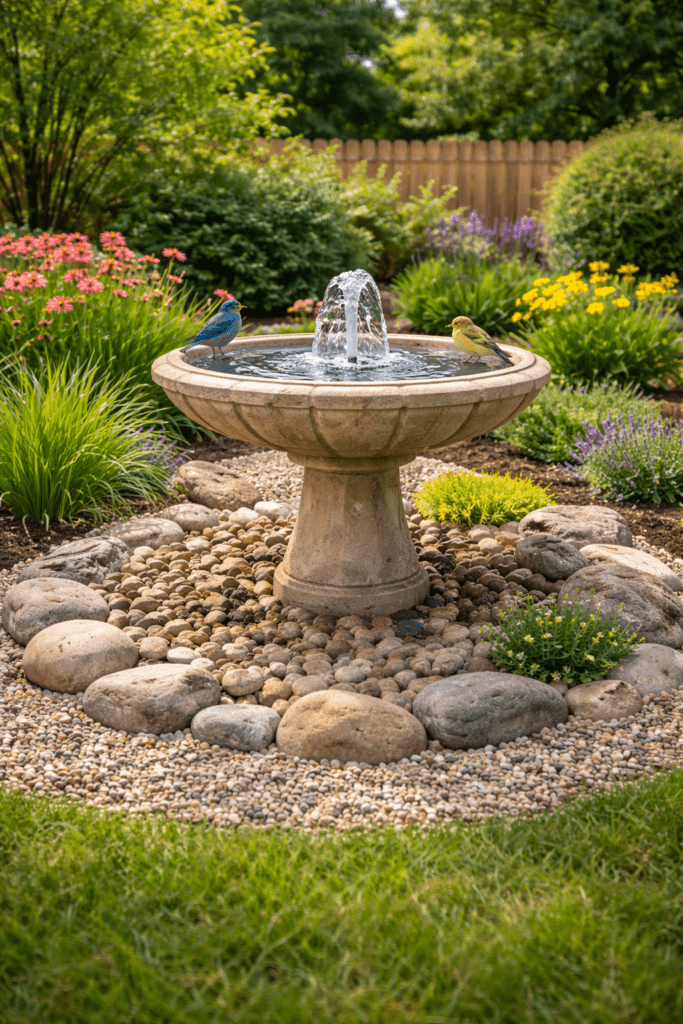
This is one of the easiest and most common solutions. If your fountain sits in a flower bed or landscaping area, simply bury the cord slightly under mulch or gravel.
How to do it
- Lay the cord along the path toward the outlet
- Cover it with 1–2 inches of mulch or gravel
- Avoid sharp rocks or heavy pressure points
Time to complete: 10–15 minutes
Pros
- Fast and simple
- No tools required
- Easy to change later
Trade-offs
- Mulch can shift over time
- Not ideal in high-traffic areas
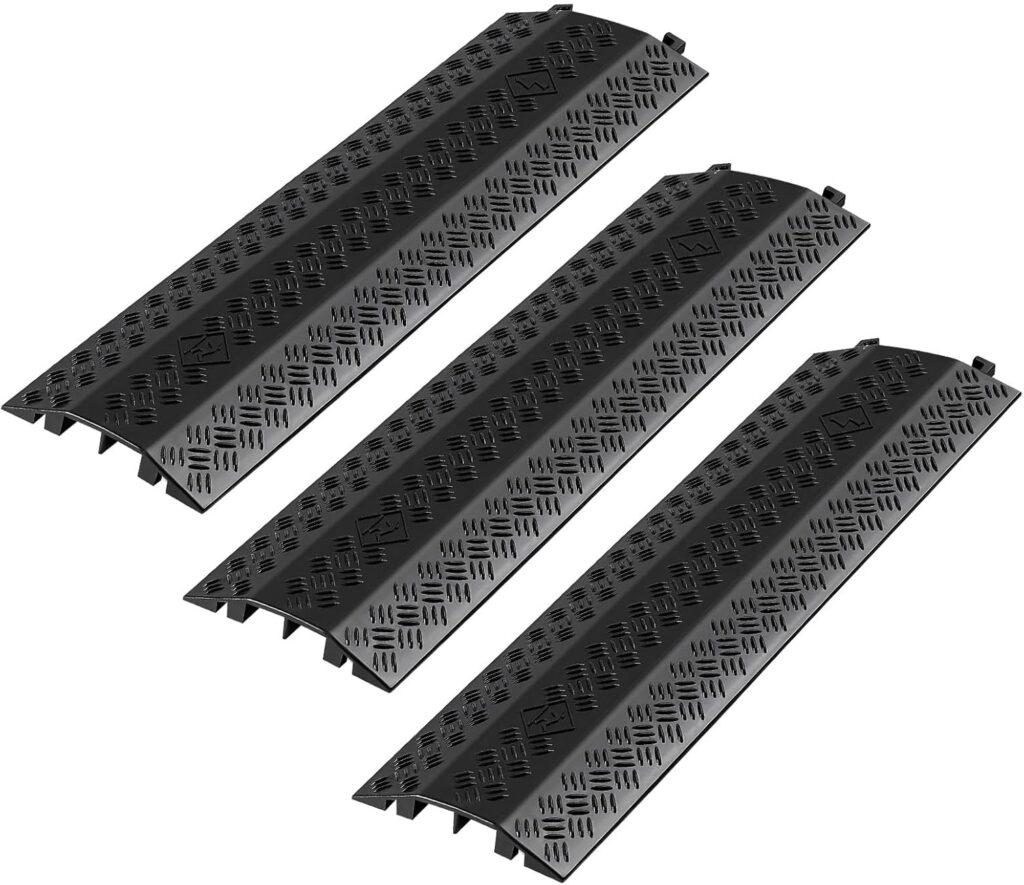
2. Use Outdoor Cord Covers
If your fountain sits on a patio or deck, mulch obviously won’t help.
Instead, use low-profile outdoor cord covers. These plastic or rubber channels hide and protect cords while allowing them to run across hard surfaces.
Best locations
- Concrete patios
- Decks
- Walkways
- Outdoor kitchens
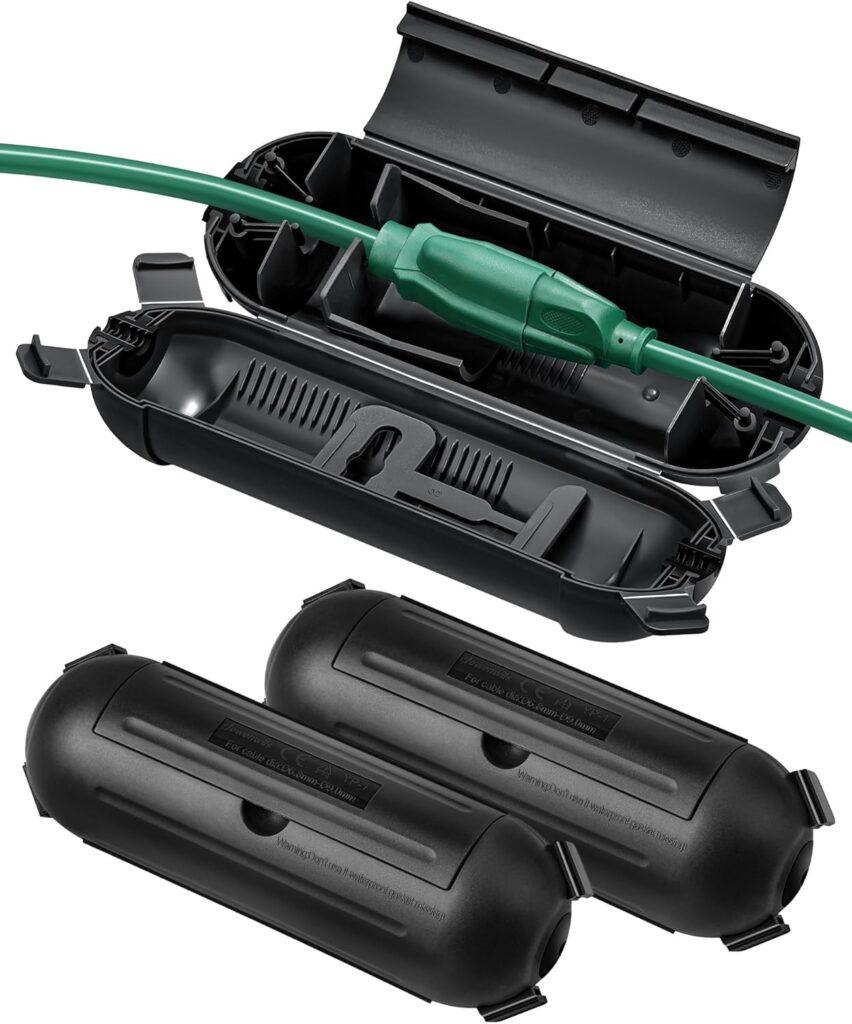
Time to complete: 15–20 minutes
Pros
- Protects cords from foot traffic
- Very clean appearance
- Removable
Risks
- Cheap covers may fade or crack in sunlight
- Choose UV-rated outdoor models
3. Run the Cord Behind Landscape Edging
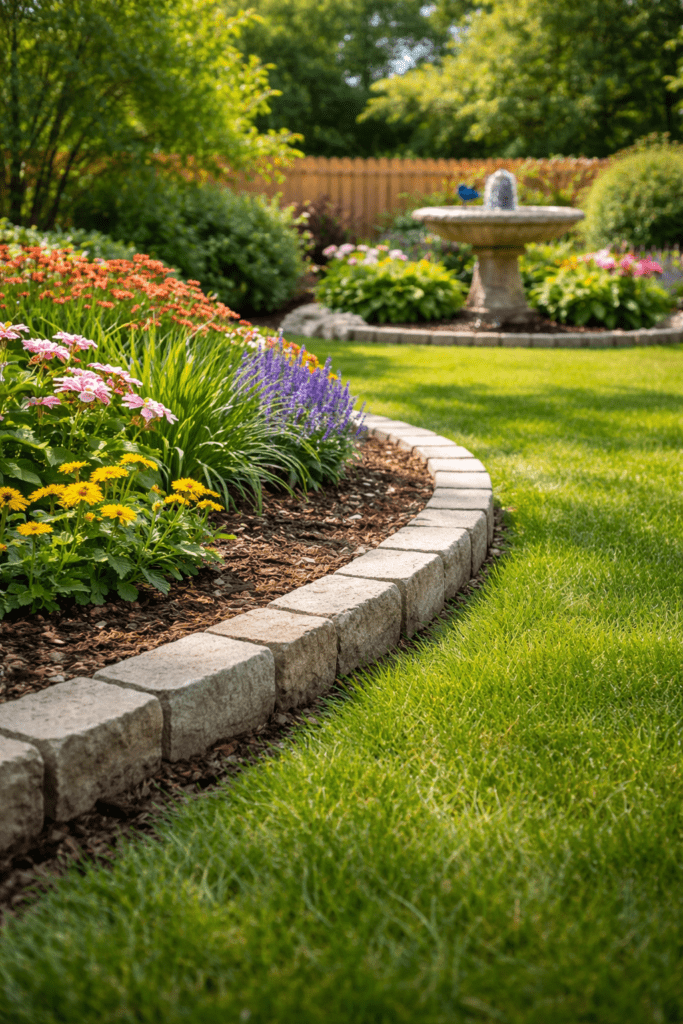
A clever trick many backyard installers use is running the cord along landscape edging.
Garden edging creates a natural channel where cords disappear visually.
How to do it
- Place cord along the backside of edging
- Secure with small landscape staples
- Cover lightly with soil or mulch
Time to complete: 20–30 minutes
Advantages
- Cord becomes nearly invisible
- Works for long runs across the yard
- No trenching required
This approach works especially well when installing larger birdbath pumps or mini pond systems.
👉 https://www.birdbathbubbler.com/mini-pump-for-small-backyard-pond/
4. Bury the Cord in a Shallow Trench
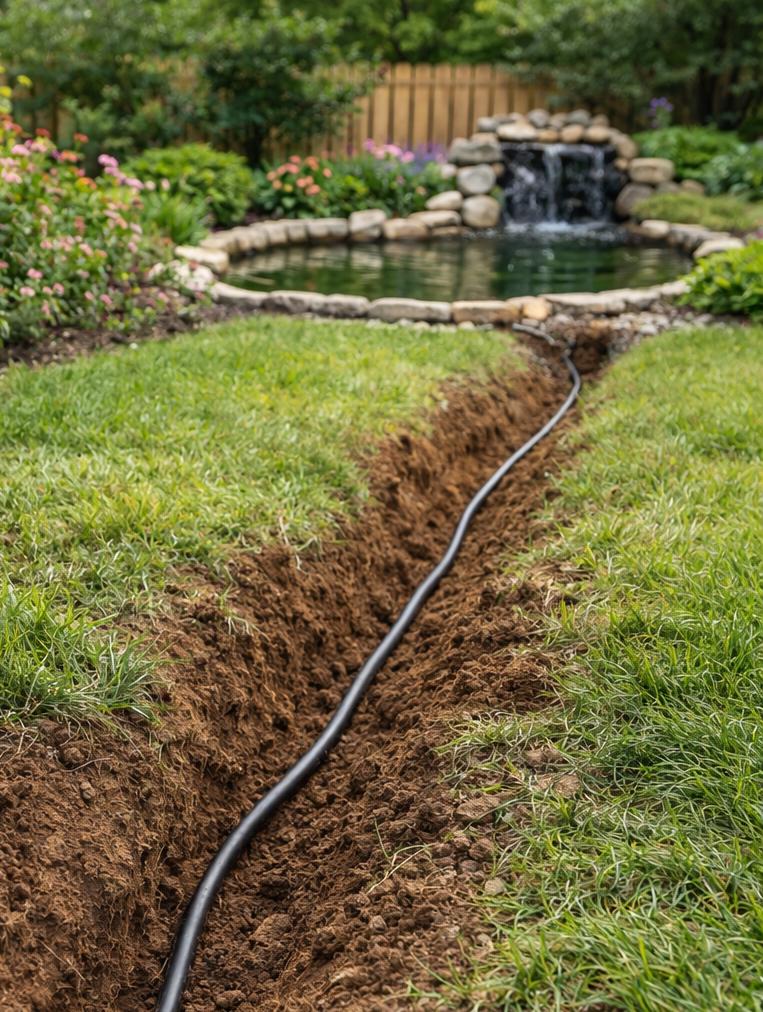
If you want the cleanest look possible, a shallow trench is the best solution.
You don’t need to dig deep — 2 to 3 inches is usually enough for most backyard fountain cords.
Steps
- Use a shovel or garden spade
- Cut a shallow trench along the cord path
- Lay the cord flat
- Cover with soil or grass
Time to complete: 30–45 minutes
Benefits
- Completely hidden cord
- Professional appearance
- Very durable
Important safety note
Standard extension cords should not be permanently buried. If installing long-term, use:
- outdoor-rated cord
- low-voltage fountain pumps
- GFCI outlets
5. Hide the Cord With Garden Features
Sometimes the simplest solution is using landscaping itself. Decorative elements can disguise cords naturally.
Examples include:
- stepping stones
- decorative rocks
- planters
- small garden statues
Time to complete: 10 minutes
Pros
- Natural appearance
- No digging required
- Flexible layout
Trade-offs
- May shift over time
- Works best for short cord runs
This is especially helpful when installing fountains that attract birds with moving water, like those discussed here:
👉 https://www.birdbathbubbler.com/how-to-attract-hummingbirds-to-your-yard/
Realistic Expectations
Backyard fountains are not permanent infrastructure like landscape lighting.
That means the best cord-hiding method depends on your situation.
Simple birdbath fountain:
Mulch or edging works perfectly.
Large pond pump:
Trenching or conduit may be better.
Deck fountain:
Cord covers are usually the easiest option.
Most homeowners find that 10–30 minutes of cord management dramatically improves the appearance of their fountain setup.
Printable Checklist: Hiding Fountain Cords

Before installing your fountain
✔ Locate the nearest GFCI outlet
✔ Plan the shortest cord route
✔ Avoid high-traffic areas
Cord concealment options
✔ Mulch or gravel cover
✔ Landscape edging channel
✔ Outdoor cord cover
✔ Shallow trench
✔ Decorative rocks or stepping stones
Safety tips
✔ Use outdoor-rated extension cords
✔ Avoid tight bends or kinks
✔ Keep connectors elevated from standing water
Frequently Asked Questions
Can you bury a fountain cord underground?
Most extension cords are not rated for permanent burial. For temporary setups, a shallow trench works fine, but permanent installations should use outdoor conduit or direct-burial cable.
Should a fountain pump be plugged into a GFCI outlet?
Yes. Outdoor water features should always be plugged into a GFCI outlet to prevent electrical shock.
How far can a fountain be from an outlet?
Most small fountain pumps can run safely using 25–50 foot outdoor extension cords. Keep the cord length as short as possible to reduce voltage drop.
Are solar fountains easier because they have no cords?
Sometimes. Solar fountains eliminate cords but often provide less consistent water flow due to changing sunlight. Many people prefer plug-in pumps for reliable performance.
Conclusion
A backyard fountain should feel relaxing, not cluttered with visible cables.
The trick is simply choosing a method that fits your yard layout. In most cases, mulch, edging, or decorative stones can hide cords in minutes, while trenches or cord covers provide a more permanent solution.
Once the cord disappears, the fountain becomes what it’s meant to be: a peaceful focal point that attracts birds, masks neighborhood noise, and makes the backyard feel alive.
Take a few extra minutes to hide the cord properly and the entire water feature will look dramatically better.