
Do you want to attract hummingbirds to your yard? Can you use a garden fountain instead of a hummingbird feeder?
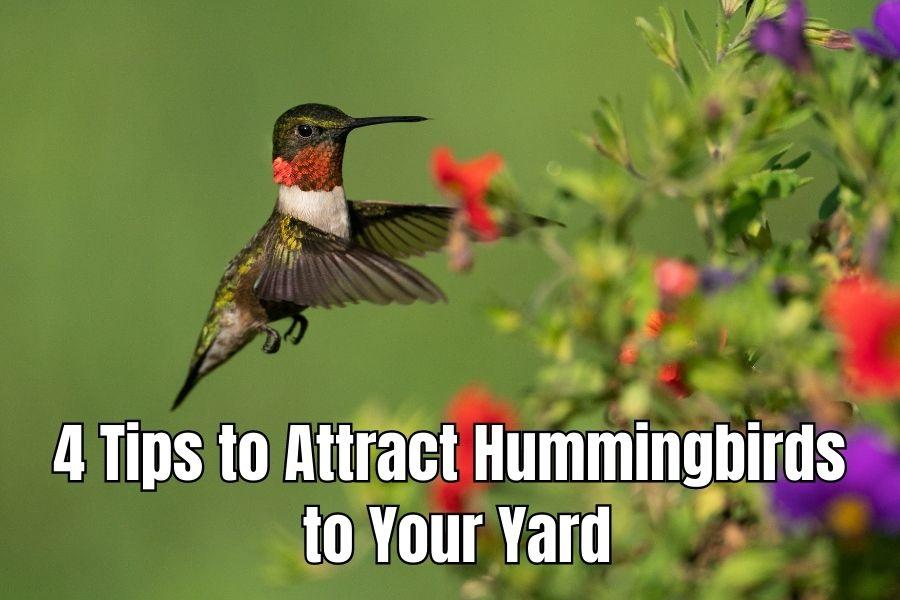
Attracting hummingbirds to your yard offers various benefits. These birds are natural pollinators, aiding in the fertilization of flowers and promoting garden growth. Observing these colorful and lively creatures adds beauty and entertainment to your surroundings. In addition, attracting hummingbirds can create a balanced ecosystem by controlling insect populations, contributing to a healthier garden environment.
Below, we compare the advantages and detriments of a fountain versus a traditional hummingbird feeder,. Plus, we show you strategies to create an easy, low-cost fountain with a solar bubbler.
Attracting Hummingbirds with a Garden Fountain
Hummingbirds are naturally drawn to the sound of water, making a garden fountain an irresistible beacon for these charming birds. The gentle splashing and shimmering reflections of water in a fountain mimic natural water sources, which hummingbirds rely on for hydration and bathing. Here’s how you can transform your garden fountain into a hummingbird haven:
Location Matters: Place your garden fountain in a spot that offers some shade to prevent the water from getting too hot and ensure the hummingbirds feel comfortable visiting. A mix of sunlight and shade will create an inviting ambiance.
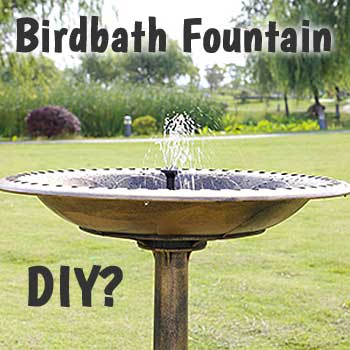
Choose the Right Design: Opt for a shallow and open fountain design with ledges or rocks for perching. Hummingbirds are more likely to visit a fountain with convenient perching spots where they can rest and groom.
Native Plants: Surround your fountain with native flowering plants that produce nectar, such as salvia, bee balm, and fuchsia. These flora will not just allure hummingbirds but also furnish them with a native sustenance.
Regular Maintenance: Keep your fountain clean and the water fresh. Stagnant water can become a breeding ground for mosquitoes and discourage hummingbirds from visiting.
Pros and Cons of Using a Garden Fountain vs. Hummingbird Feeder
Pros of Garden Fountains:
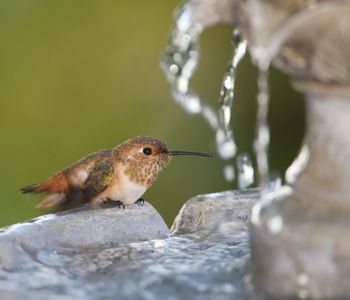
1. Natural Attraction: Hummingbirds are naturally attracted to moving water. Fountain installations in a garden mimic the natural environments that these birds thrive in, making the habitat more appealing.
The sound and sight of flowing water are particularly enticing to hummingbirds, who are drawn to water not only for drinking but also for bathing to keep their feathers in optimal condition for flight and temperature regulation.
2. Multi-Purpose: Beyond attracting hummingbirds, water features like fountains serve multiple wildlife species. They can provide a vital water source for bees, butterflies, and other birds, thereby enhancing the overall biodiversity of your garden. This variety of wildlife can contribute to the health of your garden ecosystem, promoting pollination and natural pest control.
3. Aesthetically Pleasing: Adding a fountain to your yard significantly boosts its aesthetic appeal. The gentle sound of trickling water adds a dimension of tranquility and peacefulness, making the garden a more relaxing and enjoyable space for people.
This aesthetic enhancement creates an inviting atmosphere, not just for hummingbirds but for human enjoyment and entertainment as well. Furthermore, a well-designed fountain can serve as a focal point in garden design, adding value and character to your outdoor living space.
Cons of Garden Fountains:
1. Maintenance: Fountains demand routine attention and cleaning to avoid the gathering of dirt, leaves, or algae. Regular upkeep ensures the water remains clean and the fountain functions properly. Neglecting maintenance may lead to clogs or water quality issues, impacting its visual appeal and the environment it creates for wildlife.
2. Limited Awareness: Hummingbirds, being curious and adaptable, may take some time to recognize a new fountain, especially if it’s placed in an area they don’t usually explore. Patience is key as they gradually discover and adapt to the fountain’s presence. Placing feeders nearby or incorporating vibrant flowers can help attract their attention to the fountain, encouraging their visits over time.
Pros of Hummingbird Feeders:
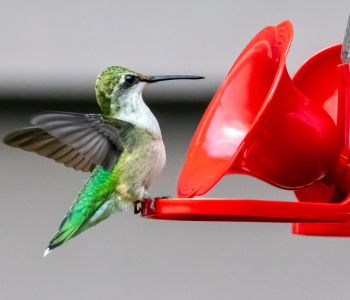
1. Quick Attraction: Hummingbird feeders can attract birds almost immediately after being set up.
2. Close Observation: Feeders facilitate effortless bird observation since hummingbirds gather in a more centralized feeding spot.
3. Control Over Location: You can position feeders strategically to optimize visibility.
Cons of Hummingbird Feeders:
1. Dependency: Hummingbirds might become overly reliant on feeding stations, reducing their foraging behaviors.
2. Maintenance: Feeders need routine cleaning to prevent mold and contamination.
3. Competition: Aggressive birds or insects might dominate feeders, making it difficult for hummingbirds to access.
Creating an Easy, Low-Cost Fountain Using a Solar Bubbler
You don’t need an elaborate fountain to attract hummingbirds; a simple, cost-effective option is a solar bubbler fountain. Here’s a step-by-step guide to creating one:
Materials Needed:
- Shallow container or bird bath
- Solar-powered bubbler kit (readily available online or at garden centers)
- Rocks or pebbles
Steps:
1. Choose a Container: Select a shallow basin or bird bath that stretches 14-24 inches across. Make sure the basin is sturdy and can hold water.
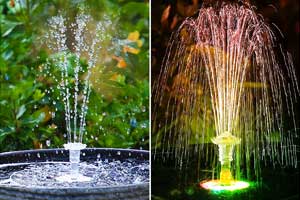
2. Set Up the Solar Bubbler: Follow the manufacturer’s instructions to assemble and position the solar bubbler kit. Typically, it involves placing the solar panel in direct sunlight and attaching the bubbler unit to the container.
3. Add Water: Fill the container with water, leaving enough space for the bubbling action without causing splashing.
4. Arrange Rocks: Including rocks or pebbles in the water of a bird bath or fountain offers a beneficial resting area for hummingbirds. These petite perches enable the birds to alight and pause without entirely immersing themselves in the water.
Though hummingbirds adore water, they opt not to become entirely soaked while bathing. With these rocks or pebbles present, they can perch comfortably, frolic in the water, and groom without getting thoroughly soaked.
5. Position the Fountain: Set up your water features in a sunny area of your yard with partial shade to maintain cooler water temperatures. Also place in close proximity to flowering plants.
Positioning the fountain in a sunlit spot with some shade assists in controlling water temperature, preventing it from becoming excessively hot. The proximity to flowering plants attracts hummingbirds, creating an environment they find appealing.
6. Monitor and Maintain: Regularly check the water level and clean the container to ensure a pleasant experience for both you and the hummingbirds.
FAQ About Hummingbird Fountains:
Q: Will a garden fountain deter mosquitoes from my yard?
A: Yes, a properly cared-for water element can diminish mosquito presence. The continuous motion and flow of water thwart mosquitoes from depositing eggs, disturbing their reproductive process.
Q: How do I maintain clean and clear water in my bird fountain?
A: Clean your fountain weekly by emptying the water, scrubbing the container, and refilling it with fresh water. Adding a small amount of vinegar or hydrogen peroxide can help prevent algae growth.
- Check Water Daily: Ensure the water is 1-2 inches deep for optimal bird use.
- Clean Regularly: Scrub the bath twice a week with a vinegar-water solution to prevent algae and keep it hygienic.
- Manage Algae: Place the bath in partial shade and change the water daily to reduce algae growth.
- Choose Non-Porous Materials: Opt for materials like glazed ceramic or resin for easier cleaning.
Q: Are there any specific plants I should avoid placing near my hummingbird fountain?
A: Yes, avoid using plants treated with pesticides or chemicals, as they can harm hummingbirds. Stick to native, pesticide-free plants to create a safe environment.
Q: How do I prevent aggressive birds from reigning over my hummingbird feeder?
A: When setting up feeders to attract hummingbirds, it’s beneficial to choose feeders designed with features specifically tailored for these tiny birds. For instance, using feeders equipped with bee guards can prevent bees and other insects from accessing the nectar meant for hummingbirds. These guards are usually small mesh-like structures that allow the hummingbirds to feed while keeping larger insects out.
Additionally, selecting feeders with perches suitable for hummingbirds can make feeding more comfortable for them. Hummingbirds have high metabolism and expend a lot of energy, so having perches allows them to conserve energy while feeding, rather than hovering constantly.
Placement of the feeder is also crucial. Placing it near plants or in a more secluded spot can discourage larger birds from dominating the feeder and scaring away the hummingbirds. Hummingbirds prefer quiet and less crowded feeding areas, so positioning the feeder near nectar-producing flowers or bushes can provide them with a sense of familiarity and security.
Q: Can I use tap water in my hummingbird fountain?
A: Maintaining your fountain’s health is vital. Using filtered or distilled water prevents mineral buildup, ensuring your fountain stays pristine. If tap water’s your choice, let it rest for a day before pouring to allow chlorine to evaporate. This step safeguards your fountain’s delicate balance, preserving its beauty and functionality over time.
To Sum it Up:
By creating an inviting oasis that mimics their natural habitat, you can easily bring hummingbirds into your yard and enjoy a flutter of activity. Whether you choose a fountain or a feeder, providing a reliable water source not only attracts birds but also contributes to the overall health and natural beauty of your garden.
Last Updated April 27, 2024